

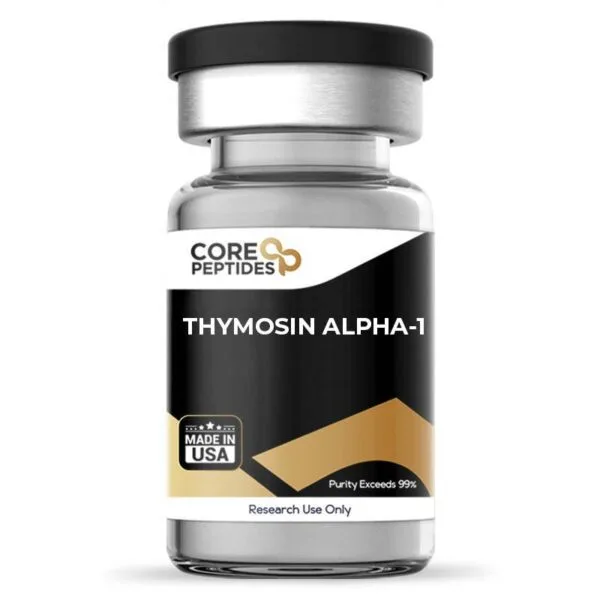
Thymosin alpha 1 peptide:
Thymosin alpha 1 (Tα1) is a naturally occurring peptide with significant immunomodulating properties. Additionally, it helps regulate and enhance the body’s immune response. However, It is important to note that it is a different compound from the Tirzepatide discussed previously. Thymosin alpha 1 is a peptide, which is a short chain of amino acids. It is first isolated from the thymus gland of calves in 1977. Interestingly, the human version of this peptide has an identical structure.
How long does thymosin alpha 1 take to work? (Mechanism of Action):
Thymosin alpha 1 functions as a broad-spectrum immunomodulator, enhancing both the body’s innate (first-line) and adaptive (learned) immune responses. It achieves this through several pathways:
-
Interacting with Toll-like Receptors (TLRs): It works by binding to specific receptors on immune cells, such as TLR2, TLR3, TLR4, and TLR9. This binding activates signaling pathways that trigger the production of various cytokines and chemokines—molecules that coordinate the immune response.
-
Thymosin alpha 1 dosage: Tα1 helps the body produce antibodies, which are crucial for fighting off infections.
-
Modulating Inflammation and Tolerance: It can activate an enzyme (indoleamine 2,3-dioxygenase) that helps balance inflammation and promote immune tolerance, which is important for preventing the immune system from attacking the body’s own tissues
Benefits of thymosin alpha 1:
Due to its powerful immune-enhancing effects, Thymosin alpha 1 has been studied and used for a variety of conditions, often as an adjuvant (a therapy used alongside primary treatments).
-
Viral Infections: It has been used to treat chronic viral infections like hepatitis B, hepatitis C, and HIV by bolstering the immune system’s ability to fight the virus.
-
Cancer: In oncology, Tα1 has been investigated as an adjunct to chemotherapy and immunotherapy. It may help mitigate treatment-related immunosuppression (a common side effect of chemotherapy) and improve the effectiveness of treatments by increasing immune cell infiltration into tumors. Some studies suggest it may improve survival in certain cancers, such as non-small cell lung cancer and liver cancer.
-
Immunodeficiencies: It has been explored for treating immune disorders associated with various diseases, including AIDS
Be the first to review “Buy thymosin alpha 1 (5mg / 10mg)”
Related products


Reviews
There are no reviews yet.